
Tác giả: Quang Hưng Nguyễn
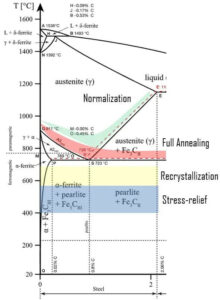 Ủ là một quá trình trong đó kim loại được nung nóng và sau đó được làm nguội để khôi phục độ dẻo ban đầu và giảm độ cứng và độ giòn.
Sự khác nhau giữa Tiêu chuẩn, Code và thông số kỹ thuật
422Một câu hỏi quan trọng khác trong cuộc phỏng vấn QA/QC:
𝐒𝐭𝐚𝐧𝐝𝐚𝐫𝐝𝐬 Tiêu chuẩn là tài liệu thiết lập các yêu cầu kỹ thuật hoặc kỹ thuật cho sản phẩm, thực hành, phương pháp hoặc hoạt động. Tiêu chuẩn bao gồm các định nghĩa, quy trình và/hoặc hướng dẫn kỹ thuật xác định các yêu cầu hoặc hướng dẫn tối thiểu dành cho nhà sản xuất, người lắp đặt và người sử dụng thiết bị. Điều này có thể được thực hiện bằng cách chỉ định phương pháp hoặc kết quả; cái sau được gọi là “xác định hiệu suất.” Quan trọng nhất, tiêu chuẩn cung cấp tiêu chuẩn hóa hoặc thỏa thuận trong ngành, nghĩa là trở thành tài liệu tham khảo chung giữa các kỹ sư, nhà sản xuất và nhà thầu.
𝐂𝐨𝐝𝐞𝐬 Codes nói chung là các tài liệu cấp cao nhất, cung cấp một bộ quy tắc xác định mức độ an toàn tối thiểu có thể chấp nhận được đối với các vật thể được sản xuất, chế tạo hoặc xây dựng. Những điều này có thể kết hợp các yêu cầu pháp lý và thường sẽ đề cập đến các tiêu chuẩn hoặc thông số kỹ thuật để biết chi tiết cụ thể về các yêu cầu bổ sung không được quy định trong Bộ luật. Ví dụ về một số Codes thường được sử dụng là Mã nồi hơi và bình áp lực ASME (B&PVC) và Codes hàn kết cấu AWS D1.1 – Thép. B&PVC bao gồm các thiết bị liên quan đến áp suất từ nhà máy lọc dầu và bình chịu áp lực không nung đến sản xuất điện hạt nhân và Bộ Codes AWS D1.1 bao gồm tất cả các loại kết cấu hàn. Quy tắc là một tiêu chuẩn đã được cơ quan có thẩm quyền của địa phương, khu vực hoặc quốc gia ban hành thành luật để kỹ sư hoặc nhà thầu có nghĩa vụ pháp lý phải tuân thủ quy tắc. Việc không tuân thủ có thể dẫn đến bị truy tố. Quy tắc này có thể là một tiêu chuẩn dựa trên sự đồng thuận tự nguyện của ngành, chính phủ hoặc. Một quy tắc có thể bao gồm các tham chiếu đến các tiêu chuẩn, có nghĩa là các tiêu chuẩn được kết hợp bằng cách tham chiếu và do đó là một phần của quy tắc và có hiệu lực thi hành về mặt pháp lý.
𝐒𝐩𝐞𝐜𝐢𝐟𝐢𝐜𝐚𝐭𝐢𝐨𝐧𝐬 Thông số kỹ thuật cung cấp các yêu cầu cụ thể đối với vật liệu, thành phần hoặc dịch vụ và thường do các công ty tư nhân tạo ra để giải quyết các yêu cầu bổ sung áp dụng cho một sản phẩm hoặc ứng dụng cụ thể. Thông số kỹ thuật thường được liệt kê trong các thỏa thuận mua sắm hoặc tài liệu hợp đồng dưới dạng các yêu cầu bổ sung ở trên và ngoài các yêu cầu về mã hoặc tiêu chuẩn.
Nhà vật lý tuyên bố vũ trụ không có vật chất tối và đã 27 tỷ năm tuổi
558Nhà vật lý tuyên bố vũ trụ không có vật chất tối và đã 27 tỷ năm tuổi
18 Tháng Ba 2024
 (Mark Garlick / Thư viện ảnh khoa học / Getty Images)
Sóng âm thanh hóa thạch trong bản đồ các thiên hà trên khắp Vũ trụ có thể được hiểu là dấu hiệu của Vụ nổ lớn diễn ra sớm hơn 13 tỷ năm so với các mô hình hiện tại cho thấy.
Phân tích mới nhất của Gupta cho thấy dao động từ những khoảnh khắc sớm nhất trong thời gian được bảo tồn trong các cấu trúc vũ trụ quy mô lớn ủng hộ tuyên bố của ông.
“Những phát hiện của nghiên cứu xác nhận rằng công trình trước đây của chúng tôi về tuổi của Vũ trụ là 26,7 tỷ năm đã cho phép chúng tôi khám phá ra rằng Vũ trụ không cần vật chất tối để tồn tại”, Gupta nói.
“Trong vũ trụ học tiêu chuẩn, sự giãn nở gia tốc của Vũ trụ được cho là do năng lượng tối gây ra nhưng trên thực tế là do các lực suy yếu của tự nhiên khi nó giãn nở, không phải do năng lượng tối.”
Tua lại hiện đang chấp nhận các mô hình giãn nở tăng tốc và sự trống rỗng của không gian dừng lại rất trống rỗng khoảng 13,7 tỷ năm trước, với mỗi vệt vật chất trong Vũ trụ bị giới hạn trong một thể tích mà bây giờ bạn có thể nhét vừa vào túi trên cùng của mình với chỗ trống.
Tất cả điều này đều ổn và đẹp cho đến khi các phép đo của những gì được cho là các thiên hà mới nung cho thấy một Vũ trụ có vẻ trưởng thành đáng ngạc nhiên đối với các vật thể vũ trụ khổng lồ thậm chí không đến một tỷ năm ra khỏi lò.
Điều này khiến các nhà thiên văn học rơi vào tình thế tiến thoái lưỡng nan – hoặc các mô hình hiện có về sự tiến hóa của các thiên hà và lỗ đen cần phải điều chỉnh, hoặc trên thực tế, Vũ trụ đã tồn tại lâu hơn chúng ta nghĩ rất nhiều.
Thật khó để bất kỳ giả thuyết mới lạ nào tồn tại dưới sự giám sát chặt chẽ của cộng đồng khoa học. Nhưng đề xuất của Gupta thậm chí không hoàn toàn mới – nó dựa trên một ý tưởng đã được chỉ ra gần một thế kỷ trước.
Vào cuối những năm 1920, nhà vật lý người Thụy Sĩ Fritz Zwicky tự hỏi liệu ánh sáng đỏ của các vật thể ở xa có phải là kết quả của năng lượng bị mất, giống như một vận động viên marathon kiệt sức vì một hành trình dài xuyên không gian.
Giả thuyết “ánh sáng mệt mỏi” của ông đã cạnh tranh với lý thuyết hiện được chấp nhận rằng tần số dịch chuyển đỏ của ánh sáng là do sự giãn nở tích lũy của không gian kéo sóng ánh sáng như một lò xo kéo dài.
Hậu quả của phiên bản Gupta của giả thuyết ánh sáng mệt mỏi – cái được gọi là hằng số khớp nối khác nhau cộng với ánh sáng mệt mỏi, hoặc CCC + TL – sẽ ảnh hưởng đến sự giãn nở của Vũ trụ, loại bỏ các lực đẩy bí ẩn của năng lượng tối và đổ lỗi cho sự thay đổi tương tác giữa các hạt đã biết cho sự kéo dài không gian gia tăng.
Trong khi phân tích của ông kết luận lý thuyết ánh sáng mệt mỏi lai của ông có thể chơi độc đáo với một số tính năng nhất định của tiếng vang còn lại của ánh sáng và âm thanh còn sót lại của Vũ trụ, nó chỉ làm như vậy nếu chúng ta cũng từ bỏ ý tưởng rằng vật chất tối cũng là một vật.
Tất nhiên, không cần phải giải thích nguồn gốc của vật chất tối hoặc năng lượng tối sẽ làm cho vật lý dễ dàng hơn một chút ở một số khía cạnh. Liệu CCC + TL có hoàn thành nhiệm vụ xoay chuyển vũ trụ học hay không sẽ phụ thuộc vào việc liệu nó có thể giải quyết nhiều vấn đề hơn nó tạo ra hay không.
Hiện tại, Vũ trụ của chúng ta vẫn còn trẻ 13,7 tỷ năm, ngay cả khi nó có một vài bộ xương kỳ lạ trong tủ quần áo.
Nghiên cứu này đã được công bố trên tạp chí The Astrophysical Journal.
Theo: Physicist Claims Universe Has No Dark Matter And Is 27 Billion Years Old : ScienceAlert
Các loại máy bơm ly tâm được sử dụng trong hoạt động dầu khí ở đầu nguồn
398
Các loại máy bơm ly tâm được sử dụng trong hoạt động dầu khí ở đầu nguồn
Là một chuyên gia kỹ thuật thiết bị quay, chúng ta hãy đi sâu vào sự phức tạp của các máy bơm này và các ứng dụng của chúng trong lĩnh vực năng động của sản xuất dầu khí.
Tải PDF: HƯỚNG DẪN VẬN HÀNH BƠM LY TÂM
1. Bơm ly tâm một cấp Máy bơm ly tâm một cấp thường được sử dụng trong các hoạt động ở đầu nguồn do tính đơn giản và linh hoạt của chúng. Chúng rất giỏi trong việc xử lý chất lỏng có độ nhớt vừa phải và lý tưởng cho các ứng dụng như chuyển dầu thô, phun nước và nhiệm vụ tuần hoàn.
2. Bơm ly tâm nhiều cấp Máy bơm ly tâm nhiều giai đoạn được đặc trưng bởi có nhiều cánh quạt xếp chồng lên nhau nối tiếp trong một vỏ bơm duy nhất. Những máy bơm này cung cấp áp suất xả cao hơn, làm cho chúng phù hợp để thúc đẩy các ứng dụng, chẳng hạn như vận chuyển đường ống dẫn dầu và khí đốt, cũng như các quy trình phun áp suất cao.
3. Bơm ly tâm tách trục Máy bơm ly tâm trường hợp chia trục có vỏ tách theo chiều ngang, cho phép dễ dàng kiểm tra vào các bộ phận bên trong để bảo trì và sửa chữa. Họ tìm thấy việc sử dụng rộng rãi trong các hoạt động thượng nguồn để xử lý khối lượng lớn chất lỏng ở áp suất vừa phải, chẳng hạn như các ứng dụng làm ngập nước và chuyển dầu thô.
4. Bơm ly tâm chìm Máy bơm ly tâm chìm được thiết kế để chìm trực tiếp vào chất lỏng được bơm. Thiết kế này giúp loại bỏ nhu cầu sơn lót và rất phù hợp cho các ứng dụng nơi không gian hạn chế hoặc nơi chất lỏng cần được bơm từ độ sâu đáng kể, chẳng hạn như giàn sản xuất dầu ngoài khơi và khử nước giếng.
Tải PDF: BƠM LY TÂM- ĐO HIỆU SUẤT BƠM
5. Bơm ly tâm tuabin đứng Bơm ly tâm tuabin đứng là máy bơm định hướng thẳng đứng với động cơ nằm trên mặt đất. Chúng thường được sử dụng trong các ứng dụng giếng sâu, chẳng hạn như nâng dầu thô hoặc nước từ các hồ chứa dưới biển hoặc tầng chứa nước.
6. Bơm ly tâm tự mồi Máy bơm ly tâm tự mồi được trang bị bơm chân không hoặc cánh quạt tích hợp cho phép chúng sơ tán không khí khỏi đường hút, cho phép chúng tự động mồi tự động. Những máy bơm này lý tưởng cho các ứng dụng mà không khí có thể có trong chất lỏng hoặc khi cần hoạt động dừng khởi động thường xuyên.
7. Bơm ly tâm API 610 Bơm ly tâm API 610 tuân thủ các tiêu chuẩn công nghiệp nghiêm ngặt do Viện Dầu khí Hoa Kỳ (API) đặt ra. Những máy bơm này được thiết kế để chịu được nhu cầu khắt khe của các hoạt động dầu khí thượng nguồn, đảm bảo độ tin cậy, an toàn và hiệu suất trong các ứng dụng quan trọng như chuyển dầu thô, quy trình lọc dầu và sản xuất hóa dầu.
Tóm lại, máy bơm ly tâm đóng một vai trò quan trọng trong các hoạt động dầu khí thượng nguồn, tạo điều kiện cho sự di chuyển của chất lỏng trong suốt các giai đoạn sản xuất khác nhau. Hiểu các loại máy bơm ly tâm khác nhau và các ứng dụng của chúng là điều cần thiết để tối ưu hóa hiệu quả, độ tin cậy và an toàn trong các cơ sở dầu khí.
Theo: Types of centrifugal pumps used in upstream oil and gas operations | LinkedIn
How to instantly feel better
1132
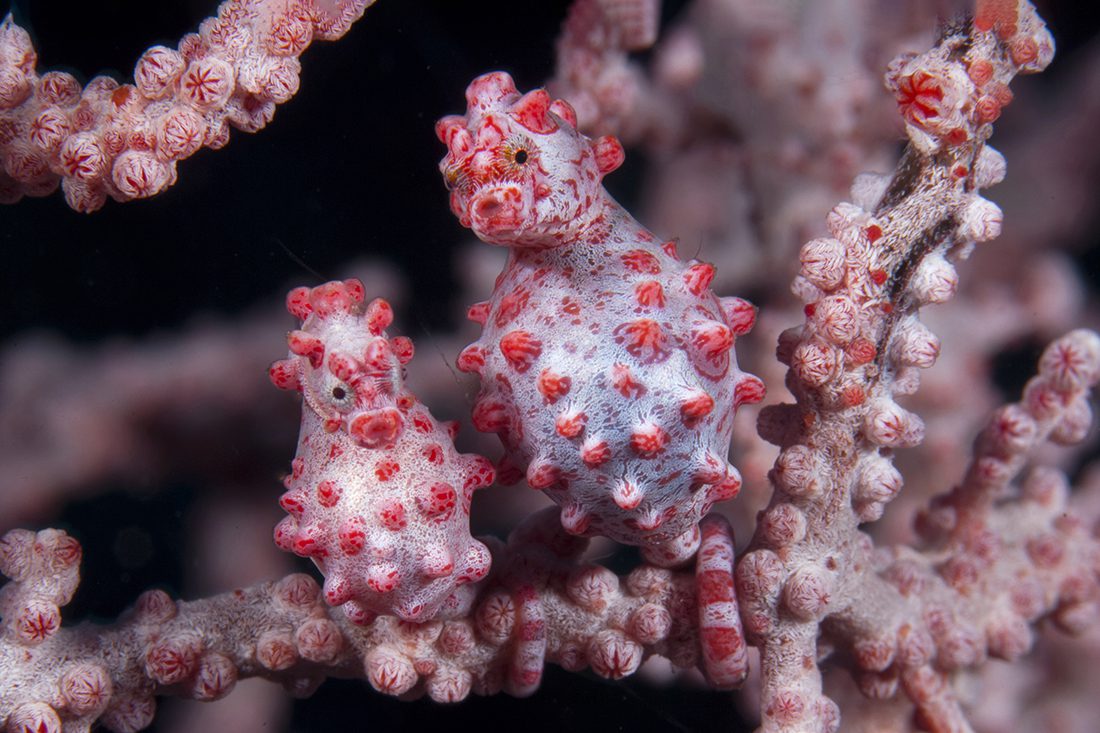
Một cái nhìn vào thế giới nhỏ của cá ngựa lùn tại Wakatobi
Mặc dù bạn có thể không đoán nó dựa trên tên hoặc ngoại hình, cá ngựa thực sự là cá. Và cá ngựa lùn là một trong những loài cá nhỏ nhất ở biển. Các mẫu vật lớn nhất có thể nằm trên đỉnh của một niken với chỗ trống, và mẫu nhỏ nhất xuống dưới chiều rộng móng tay của một đứa trẻ. Nhìn chung, đây là một sinh vật thường có chiều cao dưới 2 cm (0,79 in).
Khám phá tình cờ
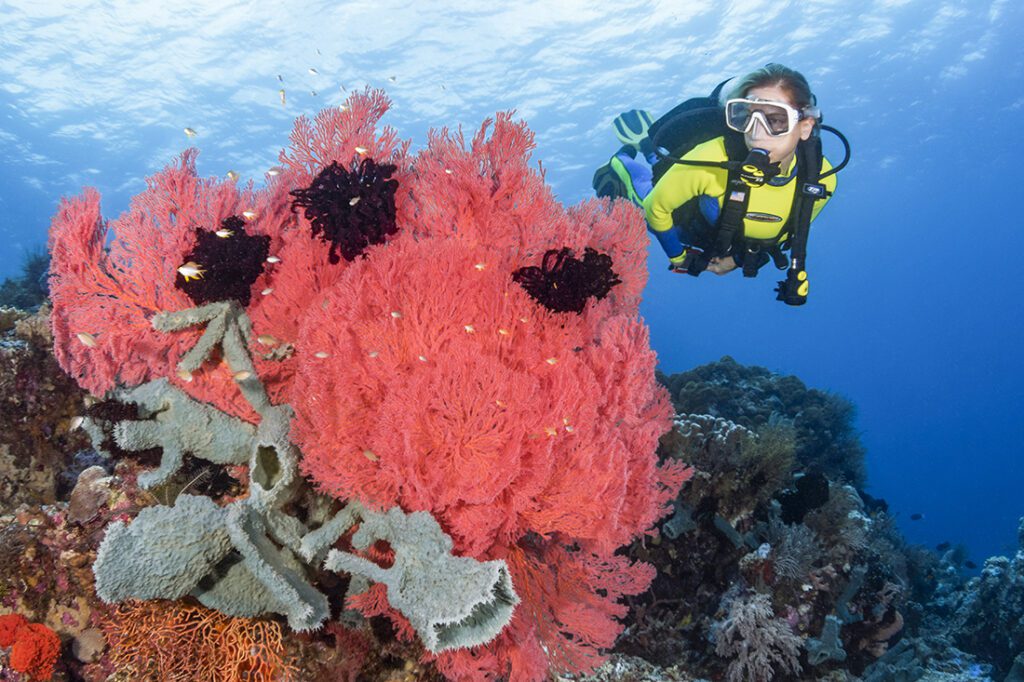
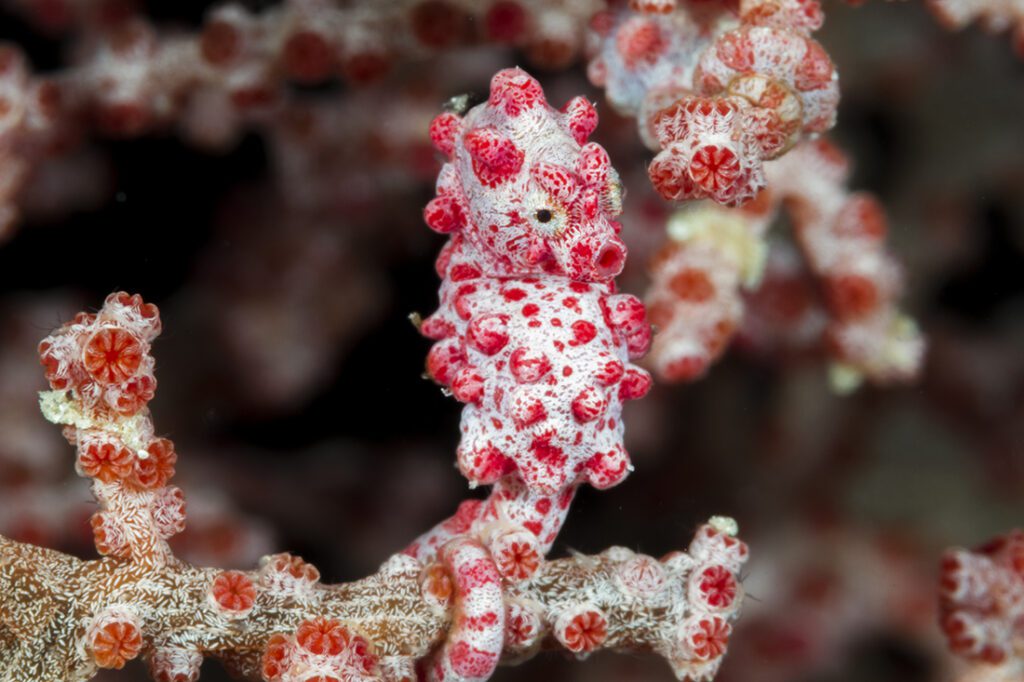
Năm 1997, một loài lùn thứ hai được phát hiện trên một con tàu đắm trong Thế chiến II có tên Mawali ở eo biển Lembeh, Indonesia. Nằm trên một chiếc quạt biển nhỏ màu cam ở đuôi tàu đắm, loài lùn này trông khác với H. bargibanti và có màu cam nhiều hơn so với những gì có liên quan đến loài đó. Trong số các đặc điểm thể chất của con cá ngựa lùn này là nó nhỏ hơn và mỏng hơn, với mõm dài hơn một chút so với bargibanti. Denise Tackett, nhiếp ảnh gia đầu tiên tìm thấy nó, đã trình bày một số hình ảnh cho các chuyên gia cá ngựa. Lúc đầu, họ nói rằng nó có thể chỉ là một biến thể màu khác của H. bargibanti, cho đến khi phân tích DNA xác nhận người lùn màu cam thực sự là một loài mới.
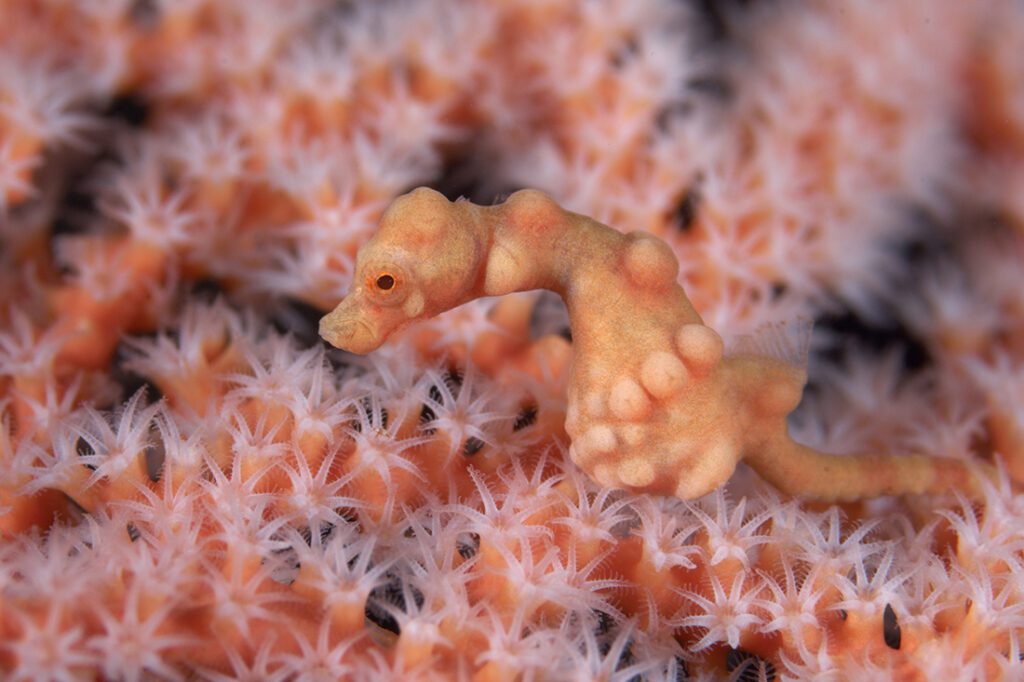
Năm 1999, Tiến sĩ Sara Lourie và Tiến sĩ Jack Randall là tác giả của một bài báo khoa học đặt tên cho loài cá ngựa là Hippocampus denise để vinh danh người đầu tiên phát hiện ra nó. Đến năm 2003, thế giới đã có con cá ngựa lùn thứ hai, thường được gọi là người lùn Denise, ‘Cá ngựa nhỏ nhất’.
Vào ngày thứ hai của chuyến thăm thứ hai của họ đến Wakatobi vào năm 2003, Denise Tackett và chồng Larry đã lặn xuống rạn san hô Wakatobi House và tìm thấy một cặp người lùn Denise giao phối. Trong những ngày sau đó, họ đã quay được đoạn video của cặp đôi và cuối cùng là con đực đang mang thai (vâng, nam) sinh ra 13 con lùn con từ túi dạ dày của nó. Larry mô tả trải nghiệm này là “không nghi ngờ gì nữa, khoảnh khắc tuyệt vời nhất trong 6500+ lần lặn của tôi, và vẫn còn cho đến ngày nay.”
Ở đâu đó trong quá trình tiến hóa, cá ngựa đã mất nhiều đặc điểm xác định chúng là cá. Vây của chúng rất nhỏ, đuôi của chúng trở nên giống khỉ hơn là tanh, và miệng của chúng đã biến thành mõm nhăn nhó. Như thường lệ trong tự nhiên, những thích ứng này phục vụ các mục đích cụ thể.
Giống như một con khỉ bám vào cành cây, cá ngựa lùn sử dụng đuôi tương đối lớn và cơ bắp của chúng để bám vào một vật thể đứng yên như cành san hô và để dòng chảy mang bữa ăn theo cách của chúng. Đó là công việc ít hơn rất nhiều so với bơi lội. Những cái đuôi lớn cũng là một tài sản khi một người lùn bị đe dọa. Ở dấu hiệu đầu tiên của mối đe dọa, chúng có thể uốn cong cơ đuôi trong một hành động giật lại nhét đầu gần cơ thể và tránh xa nguy hiểm.
Mõm lớn của người lùn cũng là một sự thích nghi tiết kiệm lao động. Cá ngựa hút thức ăn của chúng, và mõm thon dài của chúng giúp chúng có thêm đòn bẩy khi bắt con mồi. Họ đợi cho đến khi một miếng thịt đầy hứa hẹn nằm trong phạm vi, sau đó đưa ra một cái búng đầu nhanh chóng xoay mõm ra trong một vòm nhanh kết hợp với việc hít vào giống như máy hút bụi. Quá trình kiếm ăn này đòi hỏi ít nỗ lực hơn nhiều so với lao vào hoặc theo đuổi, và đó là một giải pháp lý tưởng để theo đuổi các loại con mồi cực nhỏ mà người lùn thích.
Nhìn thấy con ngựa nhỏ nhất của biển
Xác định vị trí của một người lùn thường được coi là một điều trị hiếm – trừ khi bạn đang lặn trong vùng biển Wakatobi. “Wakatobi là một trong những nơi tốt nhất trên thế giới để quan sát cá ngựa lùn”, Tiến sĩ Richard Smith nói. Trong khi theo đuổi nghiên cứu tiến sĩ về cá ngựa lùn, Smith đã dành hàng trăm giờ trên địa điểm lặn Wakatobi được gọi là House Reef. “Địa điểm này là đặc biệt cho cả số lượng các loài cá ngựa và sự phong phú của chúng,” ông nói.
Những giờ dài quan sát người lùn trên House Reef đã được đền đáp, và Smith trở thành người đầu tiên hoàn thành bằng tiến sĩ về sinh học của cá ngựa lùn. Anh ấy đã chia sẻ một số phát hiện và hình ảnh của mình trên trang web của mình www.OceanRealmImages.com.
Cho đến ngày nay, Rạn san hô House Reef của Wakatobi và nhiều rạn san hô xung quanh vẫn là địa điểm yêu thích để săn lùng người lùn và hướng dẫn viên lặn của khu nghỉ mát biết nơi để tìm kiếm những kho báu nhỏ bé này.
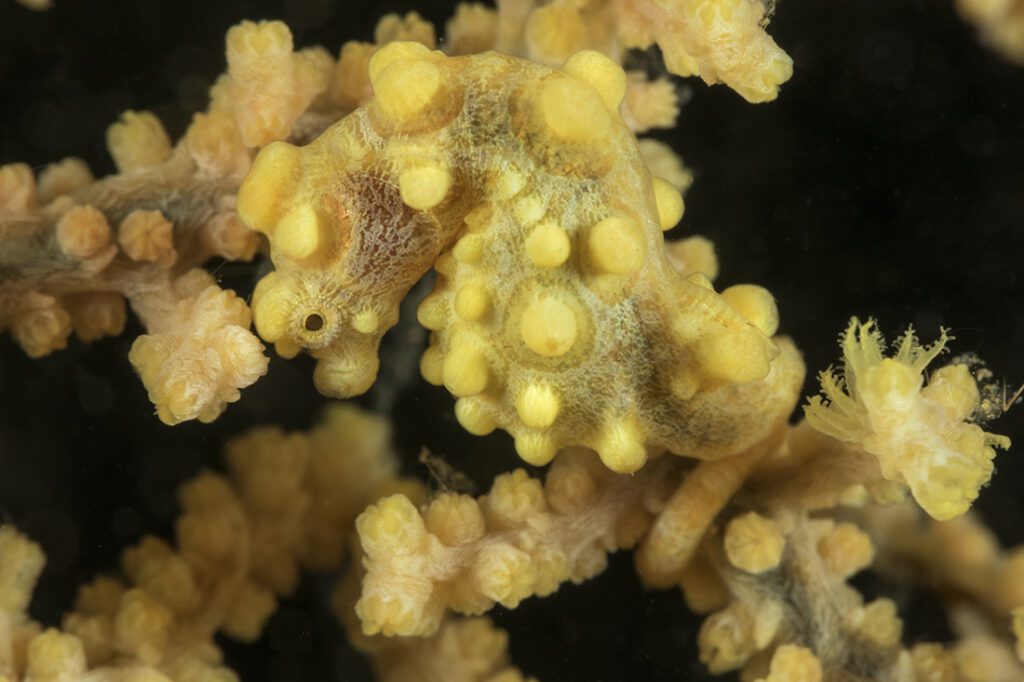
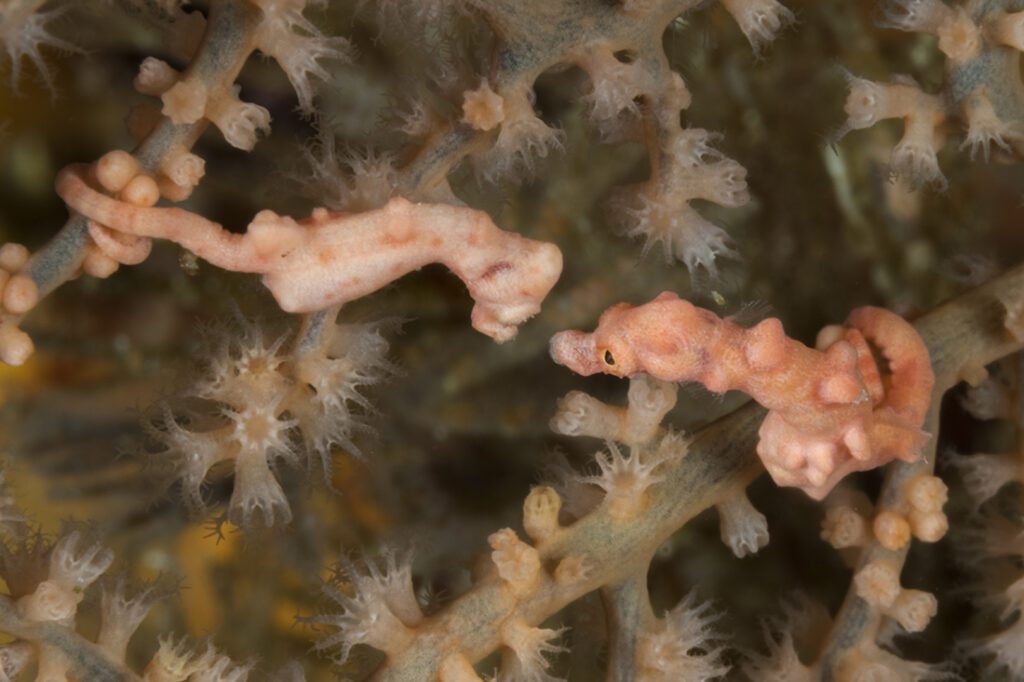
Người lùn Denise cũng thích quạt biển nhưng có thể được tìm thấy trên khoảng mười giống san hô mềm khác nhau. Do sự lựa chọn môi trường sống đa dạng hơn, những người lùn của Denise cho thấy nhiều mẫu màu sắc khác nhau hơn so với người anh em họ Bargibant của chúng.
“Những đầu san hô nông và thảm cỏ biển ngay ngoài bãi biển tại Wakatobi Resort được coi là một trong những nơi tốt nhất trên thế giới để xem người lùn của Pontoh.” ~ Richard Smith
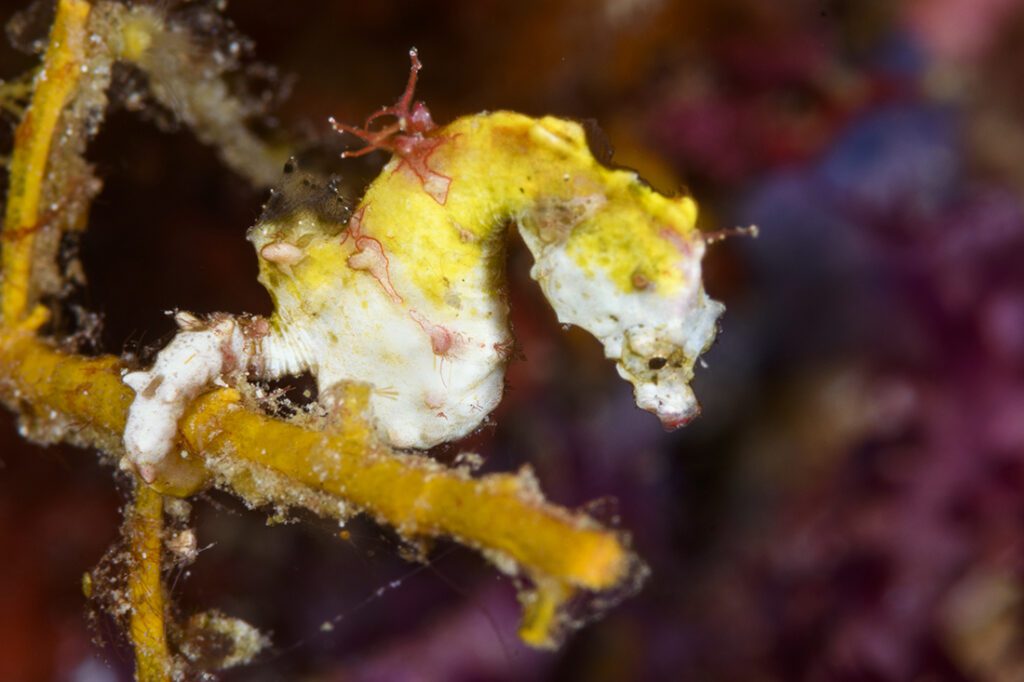
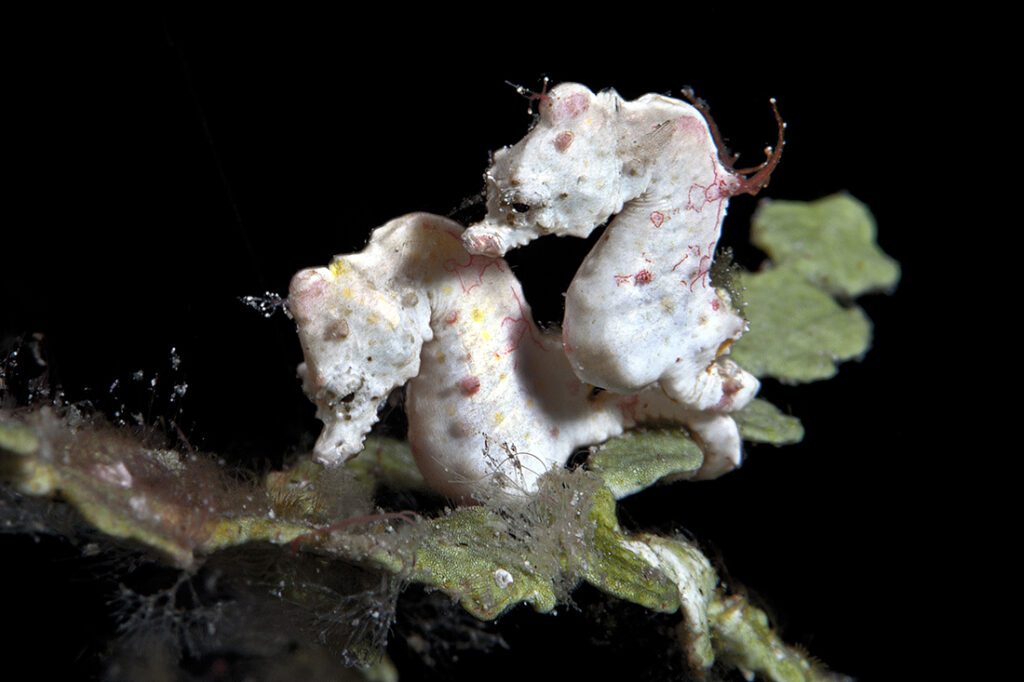
Không giống như những người anh em họ sống ở gorgonian, cá ngựa lùn của Pontoh thích các khu vực nông hơn của rạn san hô. Lần đầu tiên được phát hiện vào năm 2008 bởi hướng dẫn viên lặn Indonesia Do đó Pontoh, loài này thường được tìm thấy tìm kiếm thức ăn trong thảm cỏ biển. Sở thích này đã mang lại cho nó biệt danh là “người lùn cỏ dại”. Khu vực đầu san hô nông và thảm cỏ biển ngay ngoài bãi biển tại Wakatobi Resort được coi là một trong những nơi tốt nhất trên thế giới để xem người lùn của Pontoh.
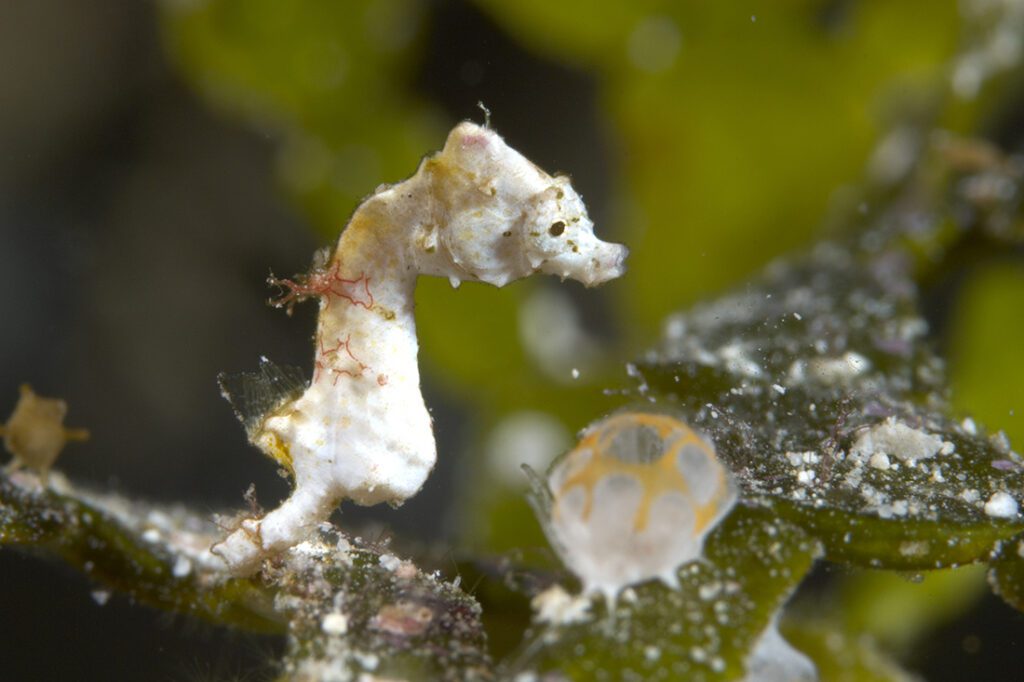
Gần giống về ngoại hình cũng như kích thước với cá ngựa lùn Pontoh (Hippocampus pontohi), cá ngựa lùn Coleman (Hippocampus colemani) lần đầu tiên được phát hiện ngoài khơi đảo Lord Howe, Úc bởi nhà tự nhiên học dưới nước nổi tiếng Neville Coleman. Kể từ khi được phát hiện lần đầu tiên vào năm 2008, Coleman đã được báo cáo từ Vịnh Milne và Quần đảo Ryukyu ở Papua New Guinea đến Nam Sulawesi, Indonesia. Giống như Pontoh, Coleman thích Halimeda và thảm cỏ biển ở độ sâu khoảng 5 mét.
Người Pygmy được cho là một vợ một chồng và giao phối suốt đời. Một lần nữa, điều này có thể liên quan đến hiệu quả, vì phải mất rất nhiều năng lượng để săn lùng một đối tác mới mỗi khi sự thôi thúc phát sinh. Ngoài ra, các loài như Bargibant dành cả cuộc đời cho một chiếc quạt biển duy nhất có những lựa chọn hạn chế trong bộ phận vợ chồng, vì vậy giữ lòng trung thành có lẽ là một ý tưởng hay.
Cá hồng y đực và cá hàm đảm nhận thêm nhiệm vụ của cha mẹ bằng cách ấp trứng đã thụ tinh trong miệng. Nhưng điều đó không là gì so với những người cha cá ngựa, người thực sự thực hiện vai trò đầy đủ của người mẹ bằng cách mang trứng trong một cái túi nằm ở mặt dưới của mình.
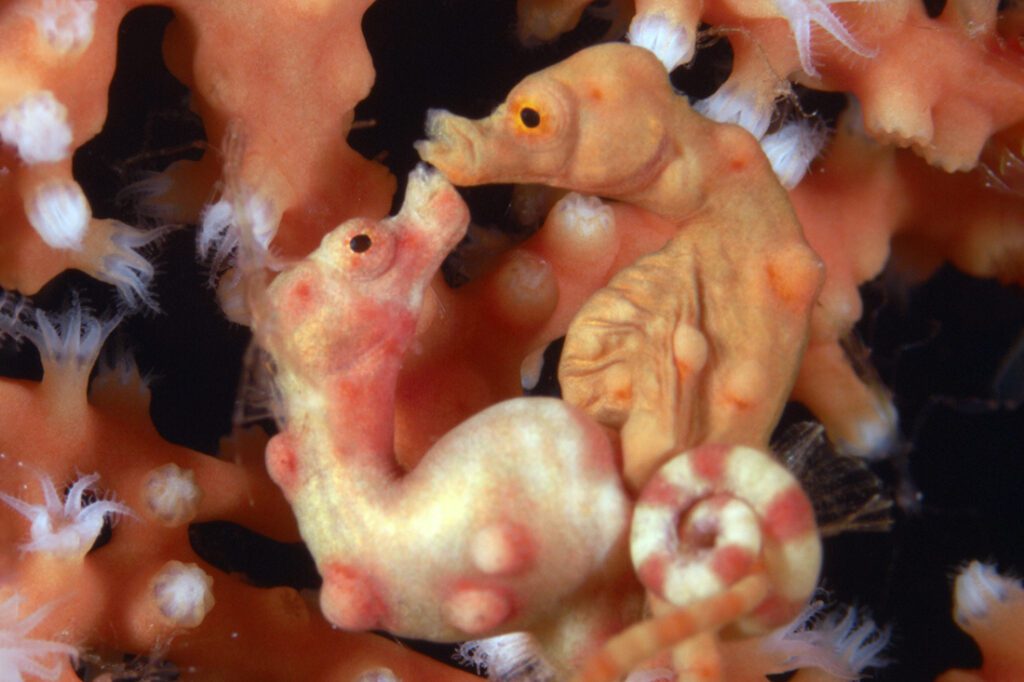
Quá trình này bắt đầu khi con cái nhét trứng vào túi ấp của con đực, sau đó nó thụ tinh, nuôi dưỡng bằng chất dinh dưỡng và oxy trong khoảng thời gian khoảng hai tuần; Sau đó, anh ta sinh ra những đứa trẻ nhỏ có chiều dài rất nhỏ 2 mm.
Cá ngựa lùn chỉ là một trong hàng ngàn loài sinh vật biển độc đáo được tìm thấy trên các rạn san hô của Wakatobi. Nhờ nhiều thập kỷ bảo vệ, những môi trường sống nguyên sơ này tiếp tục cung cấp cho thợ lặn những khả năng khám phá gần như vô tận. Đó là một lý do nữa tại sao chúng tôi gọi chuyến thăm Wakatobi là “Một trải nghiệm không giống ai“.
Tìm hiểu thêm về nghiên cứu của Richard Smith tại Wakatobi.
Blog về Meadows of the Sea tại đây.
Lần tới khi bạn đến thăm Wakatobi, hãy nhớ hỏi hướng dẫn viên về cá ngựa lùn và nơi bạn có thể nhìn thấy một con. Mang theo kính lúp dưới nước để có tầm nhìn tốt hơn.
Van bướm
424Van bướm là một loại van một phần tư được sử dụng rộng rãi trong các ngành công nghiệp khác nhau để kiểm soát dòng chảy của chất lỏng. Chúng được đặt tên theo đĩa giống như cánh, quay một phần tư vòng để kiểm soát dòng chảy.
➡ Cơ chế hoạt động: Nguyên lý làm việc cơ bản của van bướm liên quan đến một đĩa gắn trên trục chính trung tâm. Khi van mở, đĩa quay song song với hướng dòng chảy, cho phép chất lỏng đi qua tự do. Ngược lại, khi đóng van, đĩa quay vuông góc với dòng chảy, cản trở sự đi qua của chất lỏng. Hoạt động quay một phần tư này giúp van bướm vận hành nhanh chóng và dễ dàng.
➡ Kích thước: Kích thước phù hợp của van bướm là điều cần thiết để vận hành hiệu quả. Các cân nhắc về kích thước bao gồm:
1. Tốc độ dòng: Xác định tốc độ dòng yêu cầu dựa trên nhu cầu của ứng dụng.
2. Độ sụt áp: Xem xét độ sụt áp trên van để đảm bảo nó không vượt quá giới hạn chấp nhận được.
3. Đường kính ống: Khớp kích thước van với đường kính của đường ống.
4. Kết nối cuối: Đảm bảo khả năng tương thích với các hệ thống đường ống hiện có. Các tiêu chuẩn và hướng dẫn khác nhau của ngành, chẳng hạn như của các tổ chức như Hiệp hội Kỹ sư Cơ khí Hoa Kỳ (ASME) hoặc Tổ chức Tiêu chuẩn hóa Quốc tế (ISO), có thể đưa ra các khuyến nghị hoặc quy trình để xác định kích thước van bướm dựa trên các ứng dụng hoặc điều kiện vận hành cụ thể. ➡ Lựa chọn: Khi lựa chọn van bướm, cần tính đến một số yếu tố:
1. Loại chất lỏng: Xem xét các đặc tính của chất lỏng, chẳng hạn như độ ăn mòn, độ nhớt và nhiệt độ, để chọn vật liệu van có thể chịu được các điều kiện.
2. Điều kiện vận hành: Đánh giá các yếu tố như áp suất, nhiệt độ và tốc độ dòng chảy để chọn van có thể xử lý các điều kiện quy định.
3. Kết nối cuối: Chọn các kết nối cuối thích hợp (mặt bích, tấm wafer, vấu, v.v.) dựa trên các yêu cầu lắp đặt.
4. Phương pháp truyền động: Quyết định xem nên sử dụng truyền động bằng tay, khí nén, điện hay thủy lực dựa trên nhu cầu của ứng dụng và yêu cầu kiểm soát.
5. Chất lượng và Độ tin cậy: Chọn van từ các nhà sản xuất có uy tín nổi tiếng về sản xuất các sản phẩm chất lượng cao và đáng tin cậy.
Ký hiệu các vị trí hàn
408
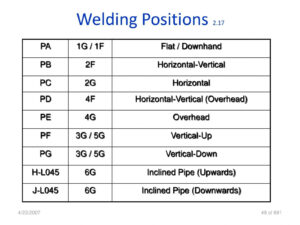
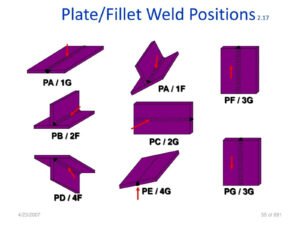
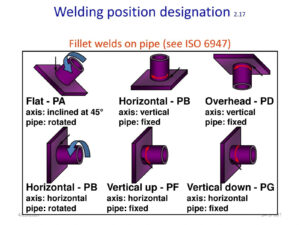
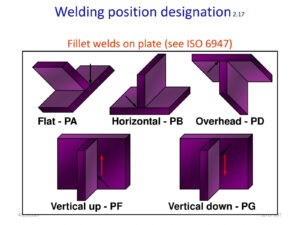
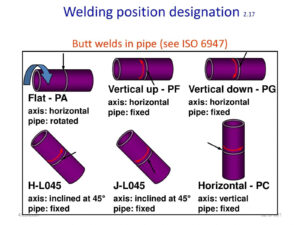
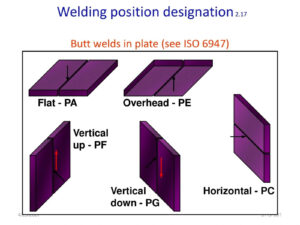
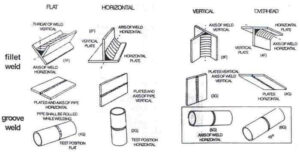
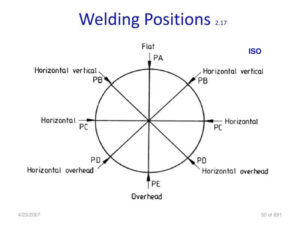
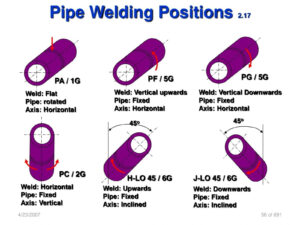
Các vị trí hàn


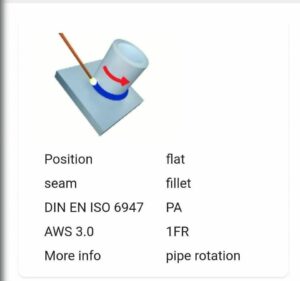
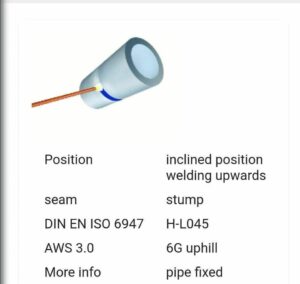
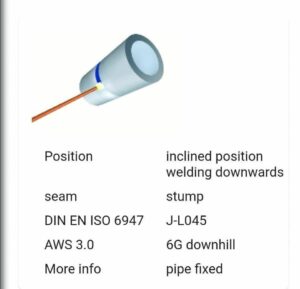
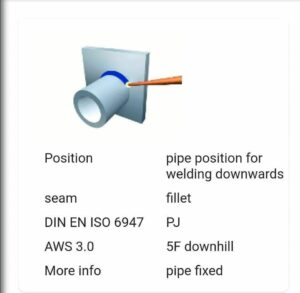
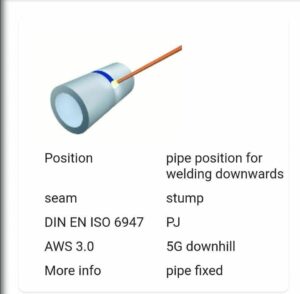
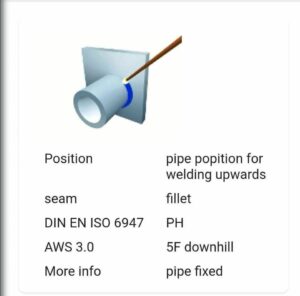
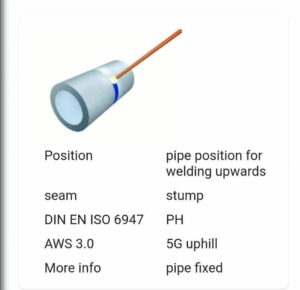
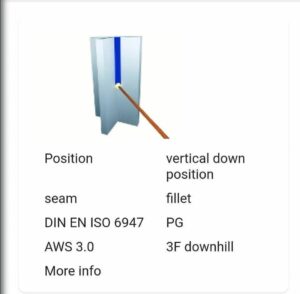
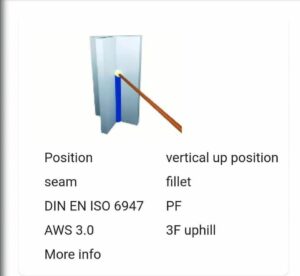
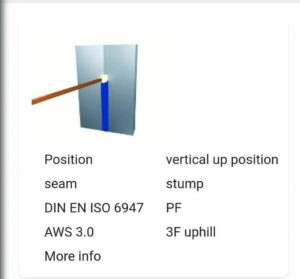
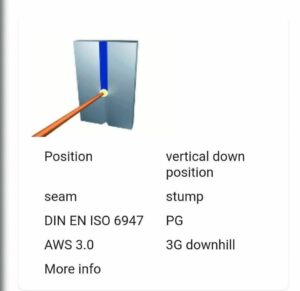
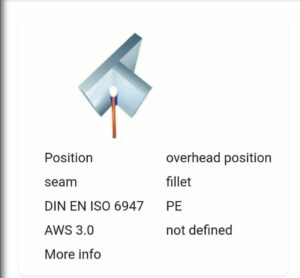
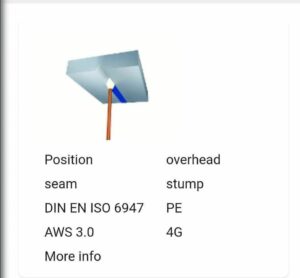
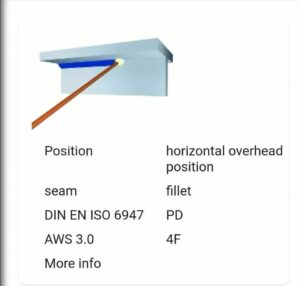
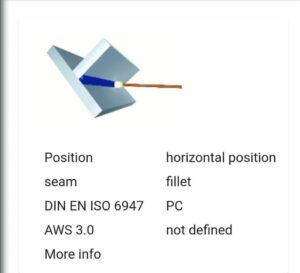
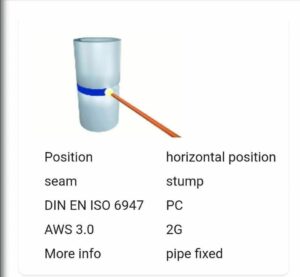
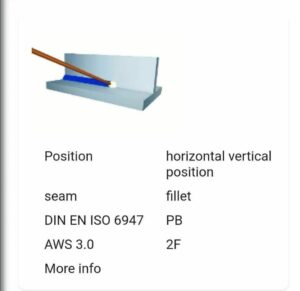
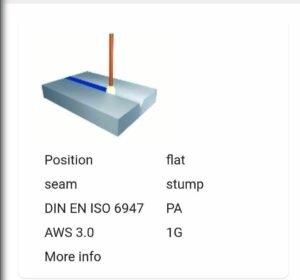
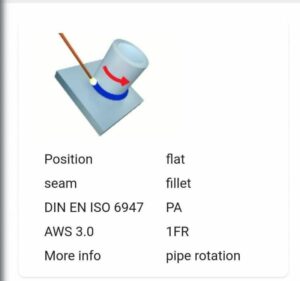
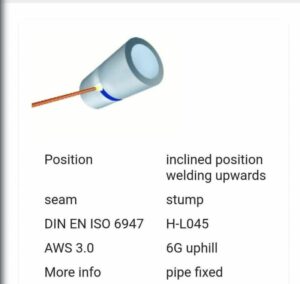
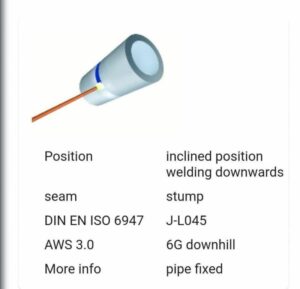
(St.)
Kỹ thuật Microbiome: CRISPR dẫn đầu
467
Kỹ thuật Microbiome: CRISPR dẫn đầu
Các nhà khoa học đã biến đổi gen các vi khuẩn bị cô lập trong nhiều thập kỷ. Bây giờ, bằng cách sử dụng CRISPR, họ dự định nhắm mục tiêu toàn bộ hệ vi sinh vật.

Với những tác động nổi bật như vậy, nhiều nhà khoa học coi việc điều chỉnh hệ vi sinh vật là một con đường đầy hứa hẹn để cải thiện sức khỏe và phúc lợi của con người. Trong những năm gần đây, các nhà nghiên cứu đã chỉ ra rằng việc điều chỉnh bộ gen của các vi sinh vật cư trú cung cấp những cách mới để điều trị và chẩn đoán bệnh. 4-6 Bất chấp những tiến bộ này, hầu hết các nỗ lực để thiết kế vi khuẩn tập trung vào một số ít vi khuẩn có đặc điểm tốt và có thể di truyền được, để lại hầu hết các cộng đồng vi sinh vật này trong các lãnh thổ chưa được khám phá.
Chúng ta có thể nhắm mục tiêu vi khuẩn có hại. Chúng ta có thể thiết kế vi khuẩn có lợi. Chúng ta có thể sử dụng CRISPR để nghiên cứu tương tác vi sinh vật. Chúng ta có thể sử dụng CRISPR để loại bỏ các gen kháng kháng sinh. Nó có thể khá mạnh mẽ trong bối cảnh microbiome.
—James Marsh, Max Planck Institute for Biology
Khi xem xét các microbiome được nghiên cứu rộng rãi như hệ vi sinh vật đường ruột của con người, ít hơn 10% vi khuẩn cấu thành có thể bị thao túng về mặt di truyền, theo James Marsh, một kỹ sư microbiome tại Viện Sinh học Max Planck. Chúng thường là những gì chúng ta gọi là sinh vật mô hình vì chúng tôi đã nghiên cứu chúng trong nhiều thập kỷ, như E. coli. Và đó là nơi chúng tôi gặp phải một vấn đề: Khi chúng tôi cố gắng áp dụng các kỹ thuật truyền thống đã được thiết lập cho E. coli, chúng không áp dụng cho hệ vi sinh vật, “Marsh nói. Một lý do chính là các loài vi sinh vật khác nhau có các yêu cầu khác nhau để hấp thụ DNA ngoại lai. Các nhà khoa học cũng phải đối mặt với những thách thức trong việc tối ưu hóa các điều kiện nuôi cấy khi cách ly các cư dân vi sinh vật chưa biết.
“We really need to work out a way to access the majority rather than the model organism minority,” said Marsh.
In their quest for ideal molecular tools that can be easily adapted from one species to another, many scientists are turning their attention to CRISPR. This genome-editing tool allows researchers to precisely target one or more genes simultaneously in the same organism, and the ease with which the technology can be adapted from one organism to another makes it ideal for genetically manipulating a multitude of microbial species.
CRISPR: from prokaryotes to eukaryotes and back
In nature, CRISPR, short for clustered regularly interspaced short palindromic repeats, is an adaptive immune system in prokaryotes, namely bacteria and archaea. When a virus infects a bacterium, for instance, the latter stores a snippet of the viral DNA as spacers between repeats in its own genome to retain a memory of the infection. If the same virus invades again, the bacterium transcribes guide RNA (gRNA) from these viral fragments, which attaches to the viral DNA and tags it for cleavage by CRISPR-associated (Cas) proteins.

Developing new tools to engineer the microbiome is a key goal of microbiome engineer James Marsh, who wants to develop techniques to genetically reprogram non-model inhabitants of the gut microbiome.
MEGHNA CHATTERJEE
Scientists have categorized different types of CRISPR systems into two classes based on how their Cas nucleases function. In class 1 (types I, III, and IV), different Cas proteins form a complex machinery to identify and cut foreign DNA; in class 2 CRISPR systems (types II, V, and VI), a single Cas protein effector recognizes and cleaves DNA.9
After characterizing CRISPR’s role as a defense mechanism in bacteria, researchers soon realized that they could harness this system for gene manipulation in any cell. All they needed to do was design a CRISPR gRNA sequence that bound to a specific DNA sequence and triggered the Cas nuclease, which would then cut precisely at that location. With CRISPR, researchers routinely knock out gene function by cutting out a DNA fragment, or they insert a desired genetic sequence into the genome by providing a reference DNA template along with the CRISPR components. While editing eukaryotic cells has been the focus for tackling diseases, many researchers now use CRISPR to edit bacterial communities.
“It’s almost like back to the beginning or back to the origins. There’s some irony in bringing CRISPR back to where it came from,” said Rodolphe Barrangou, a functional genomics researcher at North Carolina State University, who helped characterize the immune function of CRISPR and has been working with it for more than 20 years.
CRISPR-based technologies can be quite powerful in the journey to genetically manipulate the microbiome, according to Marsh. “We can target harmful bacteria. We can engineer beneficial bacteria. We can use CRISPR to study microbial interactions. We can use CRISPR to remove antibiotic resistance genes. It could be quite powerful in a microbiome context,” said Marsh.
Repurposing native CRISPR systems
To engineer microbes within the microbiome, scientists can leverage an existing CRISPR system, an approach that Barrangou has been exploring for more than a decade. “Almost half of all bacteria and the large majority of archaea on planet Earth have an endogenous CRISPR-Cas system in them,” he said. “One of the great things to do is just to repurpose the endogenous machinery.”
As intuitive as this idea may sound, exploiting endogenous CRISPR systems can be cumbersome; scientists must first figure out if they work and then test if they can be reused. But there are also advantages to this approach. For instance, researchers avoid the potential cytotoxicity exogenous Cas effectors might have. Additionally, as plasmids do not need to pack entire CRISPR systems, they are smaller in size, which might favor their delivery.
NORTH CAROLINA STATE UNIVERSITY
In his lab, Barrangou explores how to harness a widespread endogenous type I CRISPR system and its associated nuclease, Cas3, to potentially enhance the efficacy of probiotic bacteria such as Bifidobacterium and Lactobacillus. Bifidobacterium species are typical gut bacteria, and their presence associates with many health benefits, including improving host immunity and preventing gut infections. Lactobacilli also inhabit the human gut, and some species improve intestinal barrier function in mice.
In a series of in vitro studies in Bifidobacterium lactis and Lactobacillus crispatus, Barrangou’s team repurposed the type I CRISPR-Cas systems that they harbor as effective gene-editing tools. The researchers showed that both CRISPR systems from both bacteria could be repurposed for genome editing by delivering a plasmid containing a self-targeting gRNA that directed the multi-subunit cascade complex and the Cas3 nuclease to the target genomic site and repair templates that enabled gene deletion without lethal consequences for the bacteria.12,13
Beyond improving the efficacy of probiotics, Barrangou was also interested in reprogramming endogenous CRISPR systems to act as antimicrobial agents. In contrast to broad-spectrum antibiotics that indiscriminately eliminate both pathogenic and beneficial bacteria, CRISPR-based antimicrobials may provide a more precise way to kill pathogenic bacteria without affecting the rest of the microbiota.
Clostridioides difficile (C. difficile) is one such harmful bacterial species that could be targeted by CRISPR antimicrobials. Infections caused by C. difficile affect approximately half a million patients in the United States, leading to 30,000 annual deaths.14 Broad-spectrum antibiotics are commonly used to treat C. difficile illness; however, antibiotic treatment often eliminates commensal bacterial species that help keep C. difficile growth in check in the microbiota.
Barrangou teamed up with Casey Theriot, a microbiologist at North Carolina State University, and David Ousterout, a biomedical engineer at the precision medicine company Locus Biosciences, to use CRISPR self-targeting in C. difficile. Instead of using plasmids to deliver the RNA guide into cells, the team turned their attention to bacteriophages, bacterial viruses that specifically target their bona fide host. “It makes a lot of sense to use phages for very accurate, very precise, narrow spectrum, antimicrobial applications,” said Barrangou.
Using a recombinant phage expressing the CRISPR gRNA targeting a specific DNA sequence, the researchers tested whether this method would redirect the C. difficile CRISPR system to target bacterial DNA in a mouse model of C. difficile infection. Treating mice with phages encoding the CRISPR targeting of C. difficile DNA reduced bacterial burden. Further refinement of the phage delivery vehicles resulted in greater reductions in the inflammation and epithelial damage caused by C. difficile infection, highlighting how phages can be coupled with CRISPR-based targeting to create novel therapies against pathogenic microbes.
Engineering Microbiomes with CRISPRThe microbes that make up an organism’s microbiome have a range of effects on its health. Scientists use CRISPR systems to genetically manipulate specific bacterial species, for instance those found in the mouse gut microbiome, to find new ways to promote health and treat disease. |
 © NANOCLUSTERING.COM
(1) Scientists select a specific microbe, such as a bacterial species, for CRISPR-mediated genetic manipulation. (2) Researchers deliver CRISPR system components using different methods, including conjugation, transformation by heat shock or electroporation, and transduction by bacteriophages. (3) Scientists directly provide the sequence encoding all CRISPR components, a Cas protein and a guide RNA, into the target microbe. (4) Alternatively, scientists co-opt the bacteria’s endogenous CRISPR machinery and supply only the guide RNA. (5) Scientists edit the microbe’s DNA or cause irreparable breaks that lead to DNA degradation. |
 © NANOCLUSTERING.COM
(6) In bacteria, scientists modify either the plasmid or chromosomal DNA of the microbe. In complex microbial communities such as the gut microbiome, CRISPR-engineered bacteria have multiple applications. (7) Engineered probiotic bacteria produce modulatory molecules to fight diseases and restore the intestinal flora. (8) As an antimicrobial, CRISPR self-targets the DNA of a pathogenic bacterial strain. (9) By CRISPR editing commensal gut bacteria, scientists modulate the effects of these microbes on the microbiome and influence disease related processes such as inflammation. |
Bringing in external CRISPR systems
Besides harnessing endogenous CRISPR-Cas systems to engineer human-associated microbes, scientists can also deliver exogenous CRISPR systems to them. For these systems to work, the CRISPR payloads must pack a sequence encoding a gRNA for precise DNA targeting, instructions for one or more Cas effectors for making the genome breaks, and repair templates in case researchers want to introduce specific mutations.
That was attractive from the standpoint of wanting not just to kill the microbe, but even try to actually remove specific genes from the genome [and] see which genes are important for a given phenotype.
—Peter Turnbaugh, University of California, San Francisco
In his lab at the University of California, San Francisco, microbial geneticist Peter Turnbaugh developed an approach that could precisely edit bacterial strains or species in established microbiomes using CRISPR. Turnbaugh’s interest in studying microbial communities dates back to graduate school, when, under the mentorship of Washington University physician scientist Jeffrey Gordon, he explored the relationship between diet and the gut microbiome and how differences in this microbial community contributed to metabolic diseases such as obesity. “That got me hooked, and I’ve been able to keep working on it ever since,” Turnbaugh said.
To manipulate the gut microbiome of a mouse at the species level, Turnbaugh and his team chose the CRISPR-Cas9 system, a type II CRISPR system that uses the endonuclease Cas9 to both recognize and cut the DNA.16 “That was attractive from the standpoint of wanting not just to kill the microbe, but even try to actually remove specific genes from the genome [and] see which genes are important for a given phenotype,” Turnbaugh said.
The team used bacteriophages to deliver the CRISPR package to the targeted microbe in the mouse gut microbiome. As they were venturing into uncharted waters, they decided to work with a well characterized phage-bacteria pair, the M13 phage and E. coli, as their test system. To assess the efficacy of the phage-based CRISPR delivery approach, they colonized mice with E.coli strains expressing green fluorescent protein (GFP), the targeted bacterial locus, or the red-fluorescent protein mCherry as a control before administering the phage treatment to the animals, and analyzed the presence of fluorescent bacteria in mouse stool samples. Phages carrying CRISPR delivered the payload to the targeted bacterial population, eliminating most GFP-containing E. coli in the mouse gut.17
Even though CRISPR systems like the one used by Turnbaugh’s team showed promising results for microbiome editing, a major bottleneck for scientists attempting to manipulate the genomes of gut bacteria was not knowing whether most of the gut inhabitants would be amenable to genetic editing.
CRISPR editing genetically tractable microbes
Finding ways to identify genetically tractable species within a microbial community that could be genetically engineered in their native habitats is a powerful drive for scientists like Brady Cress, a chemical and biological engineer at the Innovative Genomics Institute at the University of California, Berkeley. Cress’ previous experience in developing CRISPR technologies motivated him to join the lab of the CRISPR pioneer Jennifer Doudna at the University of California, Berkeley, where he could continue learning and developing valuable CRISPR technologies. “[CRISPR] is the most powerful technology for engineering biology,” he said.

Peter Turnbaugh, a microbial geneticist at the University of California, San Francisco, studies the effects of the microbiome on digestion and obesity.
BARBARA RIES
As a postdoctoral researcher in Doudna’s lab, Cress teamed up with Benjamin Rubin and Spencer Diamond, who were postdoctoral researchers in the labs of Doudna and Jillian Banfield at the time, to devise an approach for identifying and editing the genomes of microbes within a community.18
To survey the genetic editability of a microbial community, they developed a sequencing method dubbed Environmental Transformation Sequencing (ET-seq). In this method, scientists expose the microbial community to a randomly integrating DNA editor, a mariner transposase, and subsequently sequence it looking for insertion events and the abundance of each member of the community in a sample.
Researchers obtain a measure of genetic accessibility through bioinformatics quantification of the insertion events normalized to an internal standard. By creating a nine-member synthetic microbial community in which the team added a known amount of an edited Klebsiella michiganensis, the researchers detected insertion events even in bacterial cells that represented less than 0.01 percent of the total population, highlighting the approach’s potential to screen for bacteria amenable to genome editing without the need to cultivate and test individual species.
While the ET-seq approach allowed the team to identify microbes willing to take up exogenous DNA, they still needed a more precise strategy to genetically edit the identified amenable bacteria. Cress came up with the idea of using CRISPR-associated transposases to do the job. “You can think of [them] as a really effective cut and paste version of classic CRISPR tools, which we thought would be really useful for making species- and site-specific edits in microbial communities,” he explained.
Previous studies from biochemist Samuel Sternberg at Columbia University and molecular biologist Feng Zhang at the Massachusetts Institute of Technology characterized these CRISPR-associated transposases systems for the first time.19,20 However, these systems were not adapted to be delivered into a microbial community for DNA editing. Cress and his colleagues tweaked these previously characterized systems to build a programmable DNA-editing all-in-one RNA-guided CRISPR-Cas transposase (DART) system that was compatible with the ET-seq method. “People can really envision a dart going into the community and precisely hitting a single locus and a single species’ genome,” Cress said.
If we really hope to change the function of what these microbiomes can do, we really need to be manipulating that blueprint, and CRISPR is the tool that allows us to do that very precisely and very efficiently.
—Brady Cress, University of California, Berkeley
To test the efficacy of the DART system to edit DNA, they designed gRNA against specific regions of the K. michiganensis genome and used conjugation to deliver the DART system to the synthetic soil microbial community. Barcodes attached to the transposases in DART allowed the researchers to track the insertions at the community level. In a series of proof-of-concept experiments, they showed that DART can be used to produce gain-of-function and loss-of-function in the targeted species by designing different genetic payloads in the DART vector.
The ET-seq/DART approach was also successful in a more ecologically relevant microbial community, in this case, an infant gut microbiome. By cultivating an infant stool sample ex vivo, the researchers identified E. coli strains that were amenable to genetic editing. Genetic manipulation of some of these strains enriched their presence in the sample, demonstrating the utility of the approach for enriching low-abundance or difficult-to-isolate microbes.
By looking at microbiomes as collections of genes, the ET-seq/DART approach could be a useful tool for targeting disease-associated genes, according to Cress. “If we think about bad genes instead of bad bacteria, we could just direct DART to go in and break that bad gene, leaving the community composition completely intact,” he said. In addition, because the DART system was delivered by conjugation, a naturally occurring process in which a bacterium produces a needle-like structure to inject DNA into neighboring bacterial cells, the researchers could adapt the tool to edit multiple species at once by designing multiple gRNA. “Let’s say there’s a bad gene that exists not just in one species, but in three different species. We should be able to break them all in a single experiment,” Cress noted.
The future of CRISPR microbiomes
Although scientists have a rich history of genetically manipulating isolated microbes in the laboratory, the field of microbiome engineering is still in its infancy, and scientists in it still have many challenges ahead. DNA delivery is one of the biggest technical bottlenecks, according to Barrangou. “If you go into noncanonical organisms—outside of Bacillus, outside E. coli—organisms in which the toolbox is well established, the biggest factor is not CRISPR. The biggest factor is delivery,” he said.
Cress agreed, adding that researchers are working on ways to improve DNA delivery. Some of the strategies they explore include plasmids and the natural mechanisms used to transfer them. “What we really want to do is take advantage of these natural horizontal gene transfer mechanisms [and] just hitch our DNA editors to these plasmids that are naturally able to move around in the community,” Cress explained.

Benjamin Rubin (left), Brady Cress (center), and Spencer Diamond (right) collaborated to develop the ET-seq/DART approach to identify and edit the genomes of microbes within a community.
BENTON CHEUNG
Although researchers are developing novel approaches for genetically engineering microbes in their communities, the tools available to them are still limited, especially when compared to those available for genetics in isolated microbes. “Now, we need to focus on different ways of studying the community and also different ways of targeting organisms, either within a mixed community or by targeting groups of organisms,” Marsh said. “There’s sort of a dual priority to develop these core strategies that are going to be really helpful for humanity, but also to make them accessible to the broader microorganisms [and] develop tools for that,” he added.
Các phương pháp tiếp cận dựa trên CRISPR có thể giúp mở rộng bộ công cụ di truyền mà các kỹ sư microbiome có sẵn, đưa họ tiến gần hơn đến việc hiểu vai trò và tương tác giữa các thành viên cộng đồng vi sinh vật và cách chúng định hình cộng đồng của chúng và ảnh hưởng đến các sinh vật lưu trữ chúng. “Mọi chức năng mà một cộng đồng vi khuẩn phát ra đều được mã hóa trong DNA của chúng. Vì vậy, DNA thực sự là bản thiết kế cho chúng ta biết những vi khuẩn này có thể làm gì trong hệ vi sinh vật đó”, Cress nói. “Nếu chúng ta thực sự hy vọng thay đổi chức năng của những gì các microbiome này có thể làm, chúng ta thực sự cần phải thao tác với bản thiết kế đó và CRISPR là công cụ cho phép chúng ta làm điều đó rất chính xác và rất hiệu quả.”
Rodolphe Barrangou là đồng sáng lập của Intellia Therapeutics và Ancilia Biosciences và cố vấn khoa học cho Inari và Invaio Sciences.
Theo: Engineering the Microbiome: CRISPR Leads the Way | The Scientist Magazine® (the-scientist.com)
Đột phá điều trị ung thư tuyến tụy
686Đột phá điều trị ung thư tuyến tụy
7 Tháng Ba 2024 |
Các nhà nghiên cứu đã thiết kế loại thuốc phân tử nhỏ đầu tiên nhắm vào K-Ras GD12, có thể cải thiện kết quả ung thư tuyến tụy.
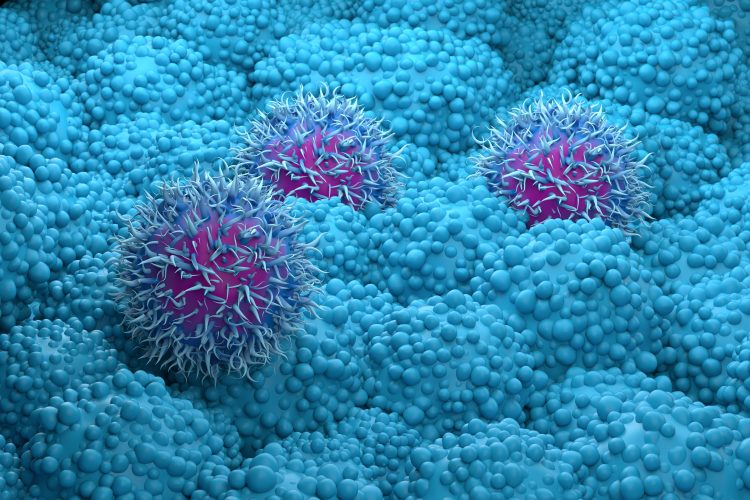
Các nhà nghiên cứu từ Đại học California, San Francisco đã thiết kế một loại thuốc ứng cử viên sửa đổi đột biến gây ung thư K-Ras G12D, có thể biến ung thư tuyến tụy thành một tình trạng có thể điều trị được.
K-Ras G12D chịu trách nhiệm cho gần một nửa số trường hợp ung thư tuyến tụy, và xuất hiện trong ung thư phổi, vú và ruột kết. Sự thay đổi G12D là đột biến phổ biến nhất ở bệnh nhân ung thư phổi không có tiền sử hút thuốc lá. 1 Mặc dù ung thư tuyến tụy hiếm hơn các bệnh ung thư nói trên, nhưng nó cướp đi hơn 50.000 mạng sống mỗi năm ở Hoa Kỳ vì thiếu phương pháp điều trị hiệu quả.
Tiến sĩ Kevan Shokat, giáo sư tại Khoa Dược lý tế bào và phân tử, người đứng đầu nghiên cứu, giải thích: “Chúng tôi đã làm việc trong mười năm để đưa các liệu pháp điều trị ung thư tuyến tụy tăng tốc với các liệu pháp điều trị cho các bệnh ung thư khác… Bước đột phá này là bước đột phá đầu tiên nhắm vào G12D và cho chúng ta một chỗ đứng vững chắc để chống lại đột biến tàn khốc này”.
Vào năm 2013, Tiến sĩ Shokat và nhóm của ông đã phát triển các loại thuốc ung thư đầu tiên để ngăn chặn một đột biến K-Ras khác, G12C. Kể từ đó, hai liệu pháp đã được phê duyệt để sử dụng trong ung thư phổi và ung thư vú nhưng nó không tiến triển điều trị ung thư tuyến tụy.
GD12
Đột biến K-Ras giải thích 90% các trường hợp ung thư tuyến tụy. Khoảng một nửa số đột biến này là G12D, khác với hầu hết các đột biến K-Ras khác bằng một sự thay thế axit amin duy nhất trong đó glycine trở thành aspartate. Điều này đã gây khó khăn rất lớn cho các nhà nghiên cứu. “Có rất ít phân tử có thể cảm nhận được sự khác biệt giữa aspartate gây ung thư và glycine”, Tiến sĩ Shokat nói. “Để tạo ra các liệu pháp tốt, chúng ta cần các loại thuốc chỉ hoạt động trên các tế bào khối u, mà không ảnh hưởng đến các tế bào khỏe mạnh.”
Nhóm nghiên cứu đã hình dung ra một phân tử vừa vặn với một túi protein K-Ras, sau đó sẽ liên kết chặt chẽ và không thể đảo ngược với aspartate. Nghiên cứu năm 2013 của họ cho phép họ phát triển một khuôn mẫu cho các hóa chất đáng tin cậy tìm đường vào góc đó của protein. “Một khi chúng tôi có cấu trúc đó cho các phân tử của mình, chúng tôi biết chúng đang ngồi trong protein ở đúng vị trí”, Tiến sĩ Shokat làm sáng tỏ. “Sau đó, chúng tôi có thể khám phá những ngóc ngách nhỏ mà chúng tôi cần để khám phá hóa học của aspartate.”
Sau khi khám phá hàng chục hóa chất, nhóm nghiên cứu đã phát hiện ra một phân tử lắng xuống góc thích hợp của K-Ras và uốn cong thành một hình dạng mới phản ứng mạnh với aspartate. Trong các dòng tế bào ung thư và mô hình động vật ung thư ở người, phân tử này ngăn chặn sự phát triển khối u từ G12D và không bao giờ tấn công các protein lành mạnh. Phân tử này hiện đang được tối ưu hóa để đủ bền để chống lại ung thư trong cơ thể con người.
Nghiên cứu này có thể cho phép các liệu pháp mới cho ung thư tuyến tụy đi vào thử nghiệm lâm sàng trong ít nhất là hai đến ba năm. Tiến sĩ Maragaret Tempero, giám đốc Trung tâm tuyến tụy UCSF, kết luận: “Chúng tôi đã học được rất nhiều từ các liệu pháp nhắm mục tiêu khác và biết cách nhanh chóng dịch những khám phá như thế này cho phòng khám… Một loại thuốc hiệu quả nhắm vào K-RAS G12D có thể biến đổi cho bệnh nhân ung thư tuyến tụy.
Nghiên cứu này đã được công bố trên tạp chí Nature Chemical Biology.
Theo: Breakthrough for pancreatic cancer treatment (drugtargetreview.com)